Do Followers, Views, and Impressions Actually Drive Sales? The Research Says Barely
A study of China's Taobao Live found followers and views are weak predictors of actual sales. The metrics brands pay on aren't the ones that move the register.
By Creator Receipts · July 8, 2026 · 7 min read
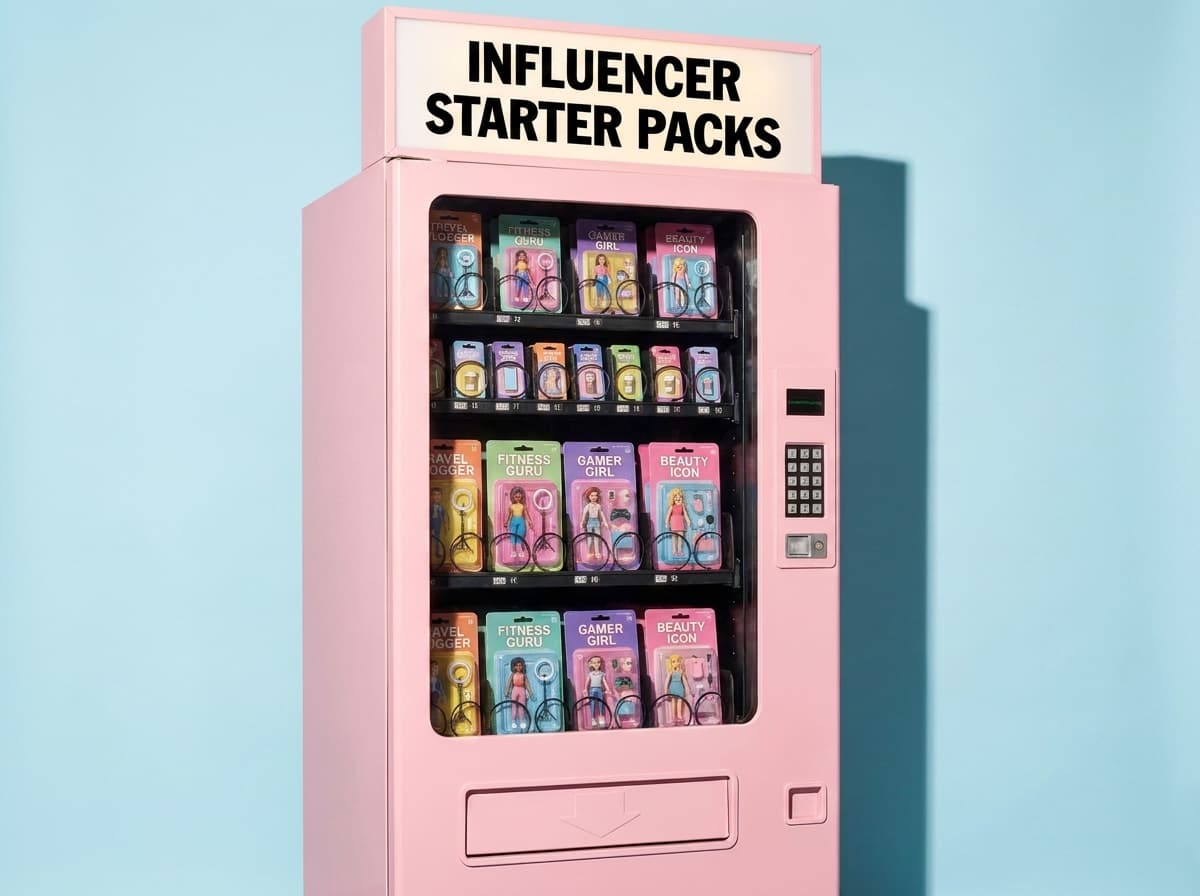
The short version: Brands price influencer deals on followers, impressions, and views. But when researchers check those numbers against actual sales, they turn out to be weak predictors. What predicts sales is the quality of engagement and the content itself — not the size of the audience. The metrics you're paying on and the metrics that move the register are two different lists.
Key Takeaways
- A study of China's Taobao Live found follower counts and views are weak predictors of actual sales; meaningful engagement and content quality are what predict revenue (Predicting Livestream Shopping Success, Int'l J. of Research in Marketing, 2025).
- Top marketing journals agree: follower count is not the driver of purchase behavior — credibility and content quality are (Wies, Bleier & Edeling, Journal of Marketing, 2023).
- The metric brands pay on the most (follower count) is also the easiest to fake — so you're often buying the number that neither predicts sales nor is real.
- Price on verified engagement, not audience size. Run a free receipt to see what's real before you pay.
Every influencer deal starts with the same number: how big is the audience? Followers set the tier, the tier sets the rate, and the media kit leads with impressions and views. It's the entire pricing logic of the industry.
So here's a fair question nobody asks out loud: do any of those numbers actually sell anything?
Researchers have checked. The answer is uncomfortable if you've been signing checks based on reach.
What actually predicts sales? (Not the numbers you're paying for)
The cleanest look comes from China, home to the world's largest livestream-shopping market. A 2025 study of Taobao Live sellers — published in the International Journal of Research in Marketing — set out to predict which livestreams actually generate sales, and tested every metric a brand might use (ScienceDirect, 2025).
Followers and raw views? Weak predictors. What actually forecast sales were meaningful interactions — comments, watch time, real likes — alongside the seller's service quality and the quality of the content itself. Adding those signals improved sales prediction by 25.6% over the basic store data. More striking: when the researchers accounted for the livestream's content and strategy, the apparent power of the influencer's own traits shrank — much of what looked like "star power" was really just good content doing the work.
Read that again, because it reframes everything. The audience-size numbers on the rate card are close to noise. The things that predict a sale are quality signals — and quality is exactly what a follower count can't tell you.
It's not just China
You could dismiss one study. You can't dismiss the whole field. The independent academic record — the peer-reviewed kind, not the vendor kind — lands in the same place.
A landmark Journal of Marketing study of 802 campaigns and 1,700+ influencers found a "Goldilocks" inverted-U: engagement actually falls as follower count climbs past a point, because bigger accounts feel less personal (Wies, Bleier & Edeling, 2023). The largest meta-analysis to date — 1,531 effect sizes across 251 papers — concludes that what drives purchase behavior is the creator's communication style and content quality, working through source credibility, not raw audience size (Leung et al., Journal of the Academy of Marketing Science, 2025). And a separate study of Chinese social media found an influencer's tier — their follower level — had no significant effect, while the actual content did (Scientific Reports, 2025).
The consensus across continents and methods is blunt: bigger is not better, and followers are the wrong thing to buy.
Why this should worry anyone paying on reach
Put the two facts side by side and the problem gets loud.
Fact one: follower count and views barely predict sales. Fact two: follower count and views are the easiest metrics on earth to fake. So the standard influencer deal manages to pay a premium for the number that (a) doesn't forecast revenue and (b) can be bought for twenty dollars. It's the worst of both worlds — a weak signal and a fakeable one.
This is why the fraud stuff isn't a side issue — it's the whole issue. When a creator's likes are bought, the vanity metrics inflate while the one thing that predicts sales, real engagement, stays flat or fake. We showed exactly that pattern in a creator whose likes never moved no matter her reach (how to spot bought likes when they stop following views), and it's why big brands overpay five figures for audiences that don't convert (big brands paying for fake audiences). Buying on reach doesn't just overpay — it points your budget at the one metric fraud is built to inflate.
And to be clear about the honest limit here: even the "good" ROI numbers are shakier than they look. A classic Quarterly Journal of Economics analysis showed sales are so noisy that even 200,000-person ad tests are usually too underpowered to pin down real ROI (Lewis & Rao, 2015). So anyone selling you a precise "$X in sales per post" from reach alone is guessing with a straight face.
What to buy instead
If audience size doesn't move sales, what should you pay for? The same things the research keeps pointing to: a real, engaged audience and content people actually respond to. In practice that means three checks before a deal:
- Is the audience real? Verify the followers and engagement aren't bought. Fake reach can't buy anything.
- Is the engagement meaningful? Real comments, genuine watch time, and likes that scale with views — the signals that actually track with sales — not a flat bought baseline.
- Does the price match the real audience, not the follower count? Pay for verified humans reached, adjusted for engagement quality.
That's the entire idea behind a Creator Receipt: it prices a creator on verified reach and real engagement instead of a follower number the research says doesn't predict sales anyway. For the money-side version of this conversation — what influencer marketing really costs and how to prove it worked — see how much influencer marketing costs and how to prove ROI.
Run a free receipt on any creator before your next deal, and check whether you're paying for an audience that can actually buy something.
Because the reach numbers make a great slide. They just don't make a sale.
Run a free receipt on any creator — just your email. No card, no trial.
Frequently asked questions
- Do more followers mean more sales?
- Not reliably. A Journal of Marketing study found engagement follows a "Goldilocks" curve — it rises then falls as follower count grows — and a study of China's Taobao Live found followers to be a weak predictor of actual sales (ScienceDirect, 2025). Real engagement and content quality predict revenue far better than audience size.
- Do impressions and views translate into sales?
- Weakly. Research on livestream commerce found raw views were poor predictors of sales, while meaningful interactions — comments, watch time, real likes — were strong ones (ScienceDirect, 2025). Impressions measure exposure, not intent or purchase.
- If followers don't drive sales, why do brands pay on them?
- Habit and convenience. Follower count is easy to see and easy to compare, so the industry standardized on it — even though academic research shows credibility and content quality, not audience size, drive purchases (Leung et al., 2025). It's also the metric fraudsters inflate, which compounds the problem.
- What should brands measure instead?
- Real engagement quality and verified audience authenticity, then price on that. Check that likes and comments are genuine and scale with reach, confirm the audience isn't bought, and pay for real humans reached rather than a follower number. Run a free receipt to see those signals before you sign.
Get the receipts in your inbox.
New data on influencer pricing, fake engagement, and how to vet creators. A few times a month, no spam, unsubscribe anytime.